Ditapis dengan
# Debug Box
/home/smaacityalibrary/public_html/smaacitya/lib/SearchEngine/DefaultEngine.php:696 "Search Engine Debug 🔎 🪲"
Engine Type ⚙️: "SLiMS\SearchEngine\DefaultEngine"
SQL ⚙️: array:2 [
  "count" => "select count(distinct b.biblio_id) from biblio as b left join mst_publisher as mp on b.publisher_id=mp.publisher_id left join mst_place as mpl on b.publish_place_id=mpl.place_id left join mst_gmd as mg on b.gmd_id=mg.gmd_id left join biblio_author AS ba ON ba.biblio_id=b.biblio_id left join mst_author AS ma ON ba.author_id=ma.author_id left join biblio_topic AS bt ON bt.biblio_id=b.biblio_id left join mst_topic AS mt ON bt.topic_id=mt.topic_id where b.opac_hide=0 and (b.biblio_id in(select ba.biblio_id from biblio_author as ba left join mst_author as ma on ba.author_id=ma.author_id where ma.author_name like ?))"
  "query" => "select b.biblio_id, b.title, b.image, b.isbn_issn, b.publish_year, b.edition, b.collation, b.series_title, b.call_number, mp.publisher_name as `publisher`, mpl.place_name as `publish_place`, b.labels, b.input_date, mg.gmd_name as `gmd`, GROUP_CONCAT(DISTINCT ma.author_name SEPARATOR " - ") AS author, GROUP_CONCAT(DISTINCT mt.topic SEPARATOR ", ") AS topic, b.edition, b.collation, b.series_title, b.call_number from biblio as b left join mst_publisher as mp on b.publisher_id=mp.publisher_id left join mst_place as mpl on b.publish_place_id=mpl.place_id left join mst_gmd as mg on b.gmd_id=mg.gmd_id left join biblio_author AS ba ON ba.biblio_id=b.biblio_id left join mst_author AS ma ON ba.author_id=ma.author_id left join biblio_topic AS bt ON bt.biblio_id=b.biblio_id left join mst_topic AS mt ON bt.topic_id=mt.topic_id where b.opac_hide=0 and (b.biblio_id in(select ba.biblio_id from biblio_author as ba left join mst_author as ma on ba.author_id=ma.author_id where ma.author_name like ?)) group by b.biblio_id order by b.last_update desc limit 20 offset 0"
]
Bind Value ⚒️: array:1 [
  0 => "%Dk team%"
]

The Classical Music Book
Who wrote the first true "opera"? Where did the system of musical notation come from? How do composers construct symphonies? This book answers these questions and many more by exploring and analyzing key musical pieces and their impact on the development.
- Edisi
- -
- ISBN/ISSN
- 978-0-2413-0197-5
- Deskripsi Fisik
- 352p.;gloss.;ill.;ind.;24cm
- Judul Seri
- Big Ideas Simply Explained
- No. Panggil
- R 780.3 DK t

The Politics Book
Is it right to depose an unjust ruler? Is democracy really the best form of government? And can war ever be justified? Throughout history, humankind has asked these and other big question about how we can best govern ourselves and big thinkers have offered solutions that continue to shape our world.
- Edisi
- -
- ISBN/ISSN
- 978-1-4093-6445-0
- Deskripsi Fisik
- 352p.;gloss.;ill.;ind.;24cm
- Judul Seri
- Big Ideas Simply Explained
- No. Panggil
- R 320.03 DK t

The Psychology Book
Are we true individuals … or do we all conform? What makes us remember and why do we forget? How can we really measure intelligence? Questions like these underpin the work of the world's major thinker and experimenters in the fascinating field of psychology.
- Edisi
- -
- ISBN/ISSN
- 978-1-4053-9124-5
- Deskripsi Fisik
- 352p.;gloss.;ill.;ind.;24cm
- Judul Seri
- Big Ideas Simply Explained
- No. Panggil
- R 150.3 DK t
The Astronomy Book
How do we measure the universe? Where is the event horizon? What is dark matter? Science the dawn of humankind, people have looked upward at the heavens and tried to understand them. Over the centuries since, the science of astronomy has pushed back the frontiers of human knowledge in an attempt to understand the universe and our place within it.
- Edisi
- -
- ISBN/ISSN
- 978-0-7440-2849-2
- Deskripsi Fisik
- 352p.;gloss.;ill.;ind.;24cm
- Judul Seri
- Big Ideas Simply Explained
- No. Panggil
- R 520.3 DK t
The Philosophy Book
How did the universe begin? What is truth? How can we live good lives? Throughout history, humankind has asked these and other big questions about the nature of life and existence - and big thinkers have offered solutions that continue to shape our world.
- Edisi
- -
- ISBN/ISSN
- 978-1-4053-5329-8
- Deskripsi Fisik
- 352p.;gloss.;ill.;ind.;24cm
- Judul Seri
- Big Ideas Simply Explained
- No. Panggil
- R 103 DK t

The Bible Book
Presents a comprehensive introduction to the stories, events, and teachings of one hundred major passages of the Old and New Testaments, explaining their theological significance while offering profiles of important figures and locations.
- Edisi
- -
- ISBN/ISSN
- 978-0-7440-3508-7
- Deskripsi Fisik
- 352p.;gloss.;ill.;ind.;24cm
- Judul Seri
- Big Ideas Simply Explained
- No. Panggil
- R 220.6 DK t

The Science Book
Did Universe start with a Big Bang? Is light a wave, a particle - or both? Are we the cause of global warming? Is a Theory of Everything possible? Science has made is possible to comprehend the world we live in and the theoretical multiverses beyond, offering technological advances and extending the frontiers of knowledge.
- Edisi
- -
- ISBN/ISSN
- 978-1-4093-5015-6
- Deskripsi Fisik
- 352p.;gloss.;ill.;ind.;24cm
- Judul Seri
- Big Ideas Simply Explained
- No. Panggil
- R 530 DK t
The Religions Book
Is there only one God? Why must people suffer? What happens after we die? Billions of people around the world find meaning in religion, but what ideas underpin such beliefs, and how did they develop?
- Edisi
- -
- ISBN/ISSN
- 978-1-4093-2491-1
- Deskripsi Fisik
- 352p.;gloss.;ill.;ind.;24cm
- Judul Seri
- Big Ideas Simply Explained
- No. Panggil
- R 200.03 DK t

Battles Map by Map
"Wars may be fought with weaons, but they are won by men." General George S. Patton. Experience the world's most famous conflicts through bold, easy-to-follow maps. From the ancient world to the 21st century, step onto the battlefields of history with more than 100 specially commisioned and original historic maps. Layers of information and clear graphics show how great battles such as A…
- Edisi
- -
- ISBN/ISSN
- 978-0-2414-4634-8
- Deskripsi Fisik
- 288p.;gloss.;ill.;ind.;30cm
- Judul Seri
- -
- No. Panggil
- R 911 DK b
Universe : The Definitive Visual Guide
"Explores every aspect of the cosmos, from the Big Bang to the edge of the known Universe Marvel at the wonders of the Universe, from stars and planets to black holes and nebulae, in this exploration of our Solar System and beyond. Universe opens with a look at astronomy and the history of the Universe, using 3D artworks to provide a comprehensive grounding in the fundamental concepts o…
- Edisi
- -
- ISBN/ISSN
- 978-0-2414-1274-9
- Deskripsi Fisik
- 528p.;gloss.;ill.;ind.;31cm
- Judul Seri
- -
- No. Panggil
- R 523.103 DK u

The Shakespeare Book
Is discretion the better part of valor, or does conscience make cowards of us all? Are these our salad days, or is this the winter of our discontent? Exploring the entire works of William Shakespeare, this book brings the language, theme, plots, and characters of his plays and sonnets to life.
- Edisi
- -
- ISBN/ISSN
- 978-1-4654-2987-2
- Deskripsi Fisik
- 352p.;gloss.;ill.;ind.;24cm
- Judul Seri
- Big Ideas Simply Explained
- No. Panggil
- R 792.03 DK t

The Economics Book
What happens in a recession? How does money work? Why do we pay taxes? Economics affects every aspect of our lives, from how we get to work to where we spend our money-and big economic ideas continue to shape our world.
- Edisi
- -
- ISBN/ISSN
- 978-1-4654-7391-2
- Deskripsi Fisik
- 352p.;gloss.;ill.;ind.;24cm
- Judul Seri
- Big Ideas Simply Explained
- No. Panggil
- R 330.03 DK t

The Business Book
How can you create a successful brand? What makes a great business leader? Why do some firms fail while others prosper? Throughout history, business gurus have offered ideas and solutions that have shaped and sharpened the world of business and commerce.
- Edisi
- -
- ISBN/ISSN
- 978-1-4093-4126-0
- Deskripsi Fisik
- 352p.;gloss.;ill.;ind.;24cm
- Judul Seri
- Big Ideas Simply Explained
- No. Panggil
- R 650.03 DK t

The History Book
Why did democracy emerge in ancient Greece? How did Spain conquer Central and South America? What caused the fall of the Berlin Wall? This book answers these question and more by exploring the civilizations, revolutions, and technologies that have made our world unrecognizable to our ancestors.
- Edisi
- -
- ISBN/ISSN
- 978-1-4654-9139-8
- Deskripsi Fisik
- 352p.;gloss.;ill.;ind.;24cm
- Judul Seri
- Big Ideas Simply Explained
- No. Panggil
- R 903 DK t
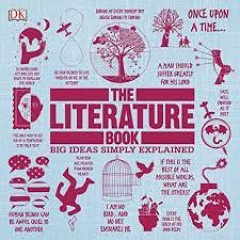
The Literature Book
What does the white whale sybolize in Moby-Dick? What is stream-of-consciousness writing? And what do Lolita and A Clockwork Orange have in common? Find out in this book, which explores key movements, themes, and styles of writing through more than 250 works of literature.
- Edisi
- -
- ISBN/ISSN
- 978-0-2410-1546-9
- Deskripsi Fisik
- 352p.;gloss.;ill.;ind.;24cm
- Judul Seri
- Big Ideas Simply Explained
- No. Panggil
- R 122 DK t
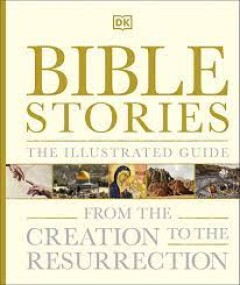
Bible Stories - The Illustrated Guide from the Creation to the Resurrection
- Edisi
- -
- ISBN/ISSN
- 978-0-2413-6364-5
- Deskripsi Fisik
- 512p.;gloss.;ill.;ind.31cm
- Judul Seri
- -
- No. Panggil
- R 230.041 DK b
- Edisi
- -
- ISBN/ISSN
- 978-0-2413-6364-5
- Deskripsi Fisik
- 512p.;gloss.;ill.;ind.31cm
- Judul Seri
- -
- No. Panggil
- R 230.041 DK b
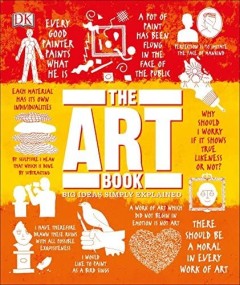
The Art book : Big ideas simply Explained
What makes something a work of art? How did the ancient Greeks give form to ideal beauty? Does color exert a direct influence on the soul? This book examines these questions and more by exploring key movements, themes, and styles of art through more than 200 works across a wide range of media.
- Edisi
- -
- ISBN/ISSN
- 978-1-4654-5337-2
- Deskripsi Fisik
- 352p.; ill.;ind.;ref.;tab.; 25cm
- Judul Seri
- -
- No. Panggil
- R 703 DK t
 Karya Umum
  Filsafat
  Agama
Agama  Ilmu-ilmu Sosial
  Bahasa
  Ilmu-ilmu Murni
  Ilmu-ilmu Terapan
  Kesenian, Hiburan, dan Olahraga
  Kesusastraan
  Geografi dan Sejarah